



Proudly serving Northern California since 2009
Materials Recovery Facility
3515 Taylor Drive | Ukiah, CA | 95482
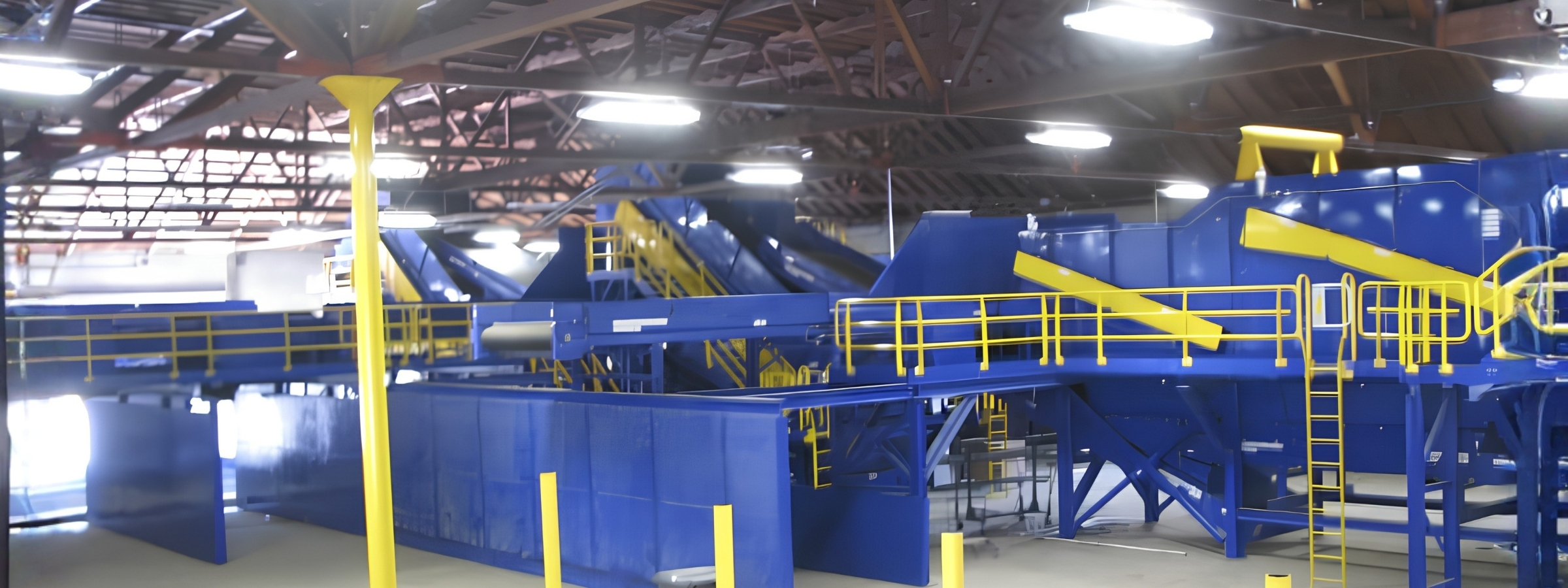
Pacific Recycling Solutions’ (PRS) operates a state of the art Materials Recovery Facility (MRF) in Mendocino County. This facility processes commingled recyclables that we and other companies collect from homes and businesses.
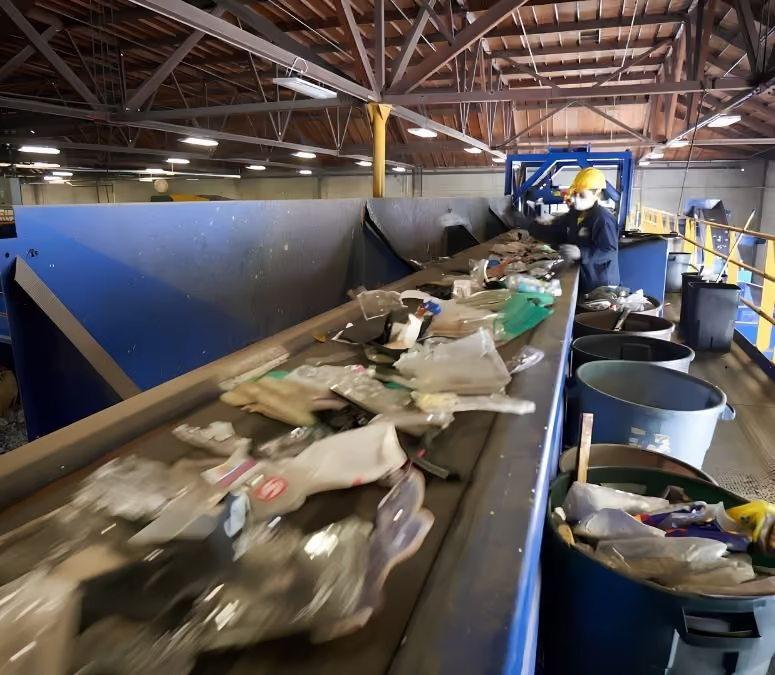
Manual and mechanical methods are used to separate the commingled materials into individual commodities. These materials are then baled separately and sent to additional processors and manufacturers for making new recycled products.
Materials processed include glass, aluminum, cardboard, newspaper, mixed paper and mixed plastics. Incoming material that is free of contamination gets baled and sent for processing into new recycled products.
For more information or to schedule a tour, please contact us at (707) 234-6400
Educational Tours and Presentations
We offer tours of our facility, educational presentations to schools, civic organizations, and groups, and a variety of informational materials about preserving our natural resources, the impact of solid waste legislation, and leading edge solutions for solid waste management.

Special Services
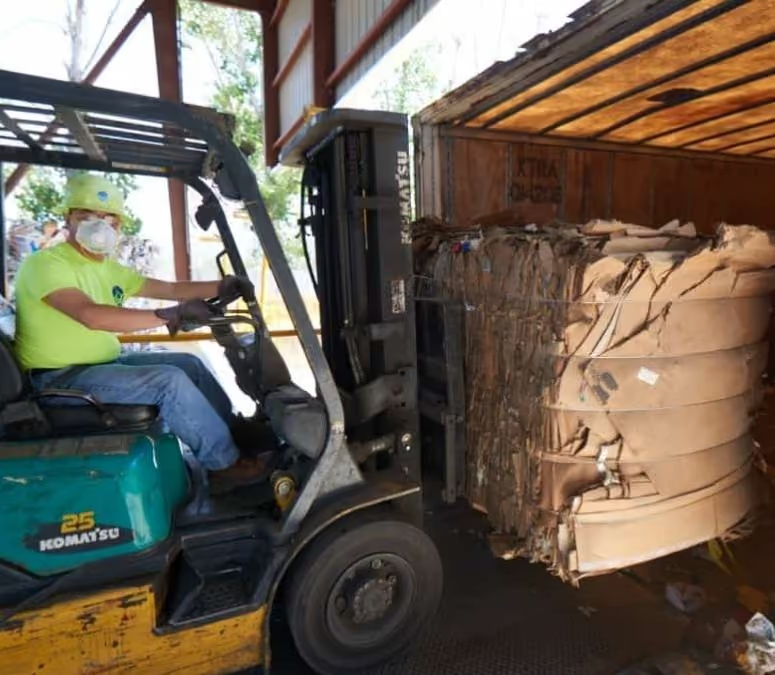
Pacific Recycling Solutions (PRS) will pay for your recycling! Whether your baling cardboard or consolidating plastic, PRS will pick up your material and deliver it to market for processing into new recycled products.
Prices are dependent on market conditions. To learn more about selling baled commodities to PRS, please call (707) 234-6400 for more information.
Benefits
All PRS facilities provide the following benefits:
- Saving natural resources and energy
- Diverting materials away from landfilling
- Making new products from discarded materials
- Creating local employment and contributing to the economic vitality of the community.
Frequently Asked Questions
Originally introduced in California, single stream recycling is a collection strategy that allows customers to place all appropriate recyclables in one cart. It is a user-friendly system that offers maximum convenience.
Paper, aluminum cans, glass and plastic all go in the same cart and are transported to a Materials Recovery Facility (MRF). At the MRF, those materials are sorted, baled and shipped to use in producing new products.
At our MRF in Ukiah, material comes from curbside collection in the following areas:
- Lake County
- Mendocino County
- Humboldt County
- Lassen County
- Sonoma County
After recyclables are collected they are transported to a Materials Recovery Facility that separates the material. The Materials Recovery Facility (MRF, pronounced merf) uses both manual and mechanical sorting to separate the paper, glass, cans, and plastic. Once each material is separated out, the glass is crushed and the other materials are baled. After this process, they are hauled and shipped to processors who use the material as feedstock for new products.
Recycling is mandatory for many businesses in California.
In October 2011, Governor Jerry Brown signed Assembly Bill (AB) 341 into law, setting a 75% recycling goal for California by the year 2020. If you generate 4 or more cubic yards of solid waste per week, or have 5 or more units at a multifamily dwelling, you must have recycling service.
Depending on how much waste your commercial business generates, recycling is mandatory.
The sorting equipment at the processing facility is designed to produce the highest quality materials at a manageable cost. Too much time spent handpicking contaminants out of the material stream or unclogging machinery increases expenses and decreases the quality of material that is sold to end-markets. End-users and manufacturers will not accept recyclable loads that are contaminated. It is important to put the right material in your recycling bin or cart, and to keep that material empty, clean and dry.
While many items could be recycled, market demand limits what can realistically be recycled. Recycling isn’t merely the act of making one old thing into one new thing. Recycling is taking one old thing and making it into a new thing that people will buy.
We cannot collect and process materials if there is no market for them. Similarly, if we include too much “junk” with our materials (such as plastic pools or laundry baskets mixed in with milk jugs), the loads get rejected and we pay to send it to the landfill. Remember, dirty recycling is just garbage.
Recyclables become contaminated when unacceptable materials are placed with the recyclables, making it impossible to recycle effectively. Some examples of contamination are food spilled on otherwise clean paper or cardboard, or non-recyclable items, such as flower pots or window glass, mixed in with the containers.